


From meerkats to influencers: How advertising shaped our culture
From meerkats to influencers: How advertising shaped our culture

Katy Prickett; Alex Dunlop - at RaveninghamTue, June 30, 2026 at 5:39 AM UTC
0
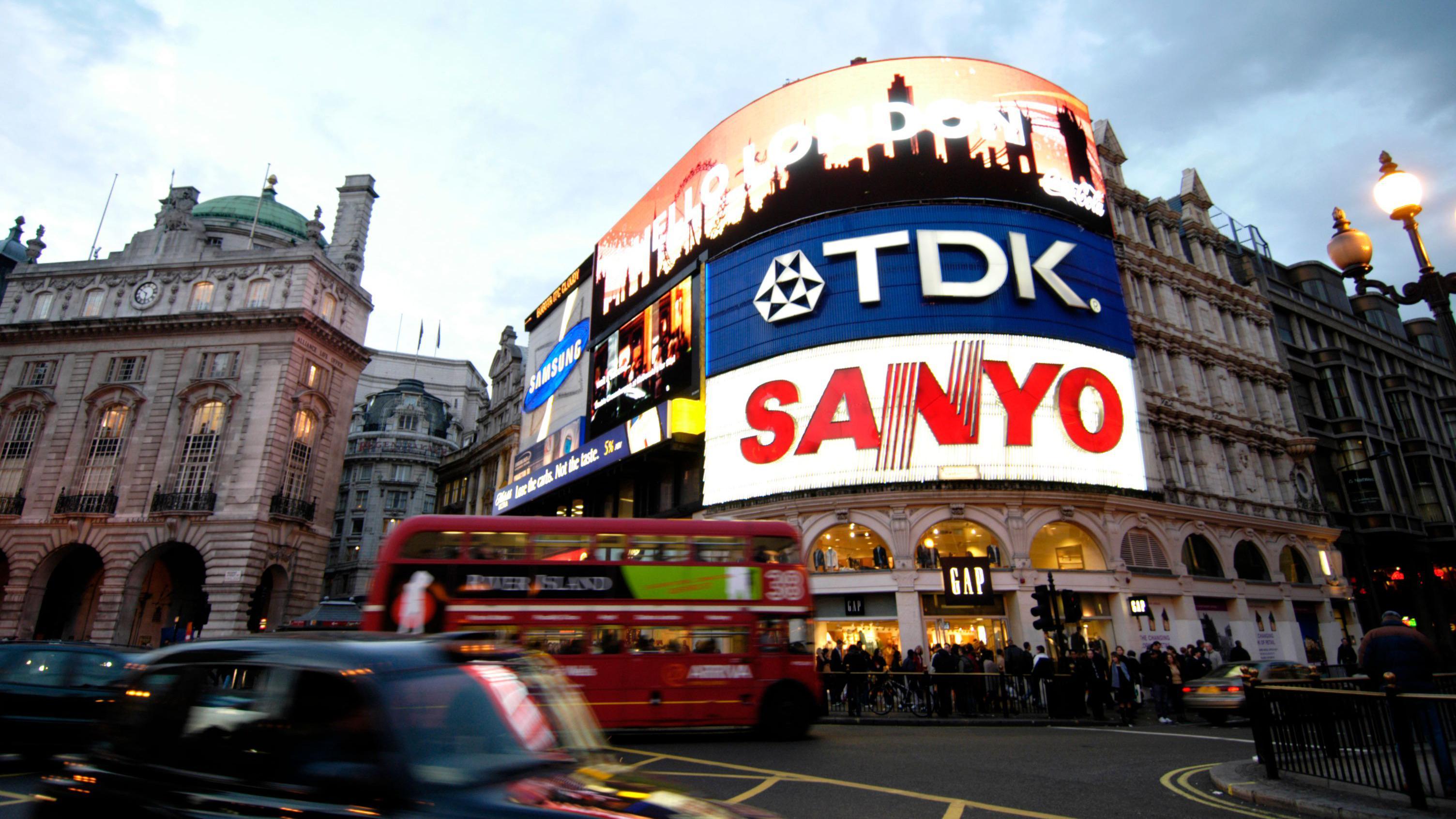
About 10 million items are held in the collection of the History of Advertising Trust
The Lloyds Bank black horse, the Compare the Market meerkats or social media influencers promoting "gifted" products are all examples of advertising by businesses trying to find ways to get us to buy their products or services.
"It's part of our culture, it's part of society, it's part of the way we are now," said John Gordon-Saker, from the History of Advertising Trust.
The trust, which is celebrating its 50th year, holds about 10 million items, including documents, artwork, tapes, storyboards and posters at its base at Raveningham, south of Norwich.
"Advertising has helped shape the nation... [it's] a reflection of social history," the charity's chief executive added.
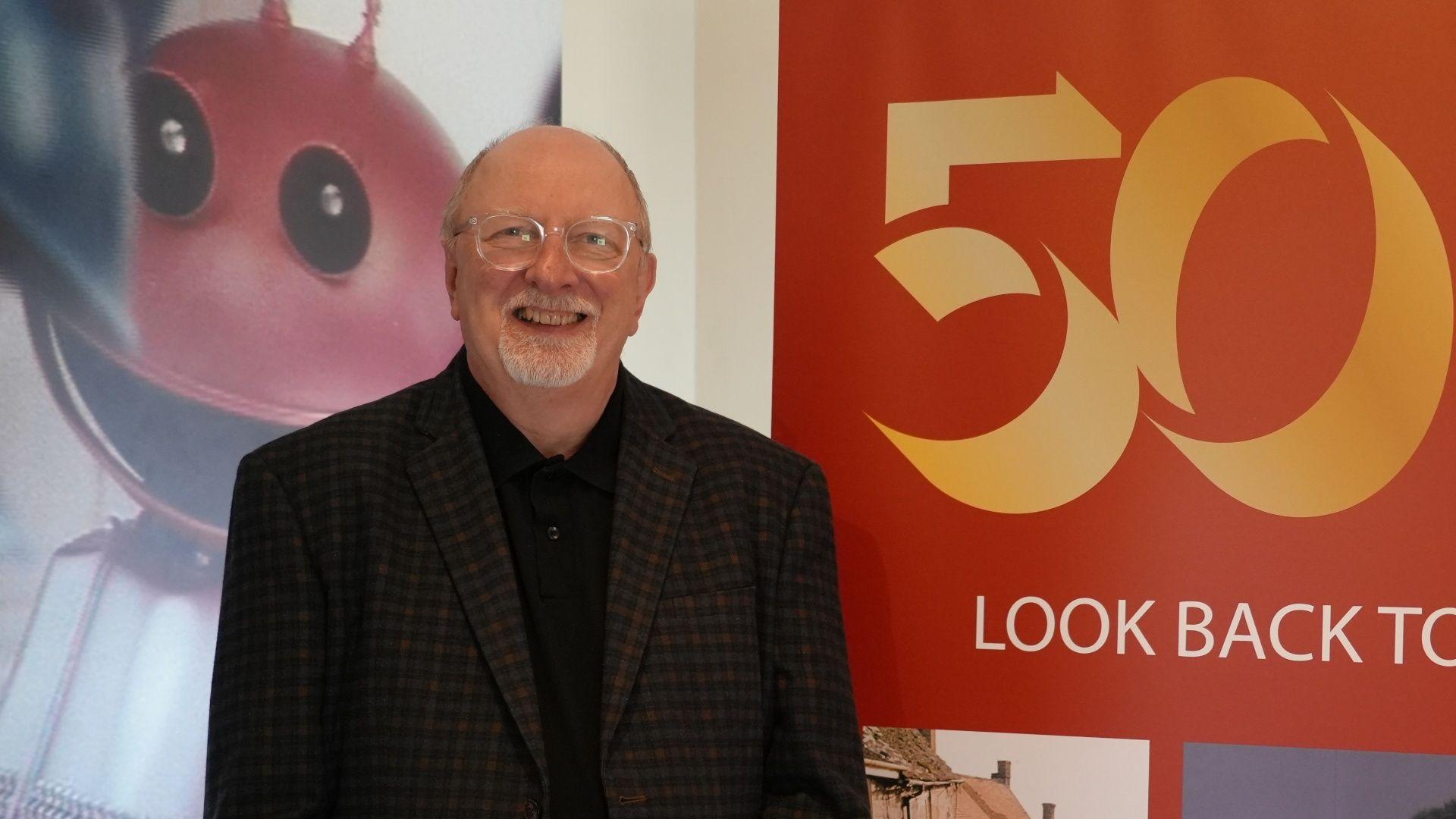
John Gordon-Saker said the trust's extensive archives are available to students, researchers and anyone with an interest in a career in advertising
Advertising also signals changing social attitudes, with cigarette promotion or the use of chimpanzees to advertise the tea brand PG Tips now images of the past.
"If you take ads from the 1960s and 70s, then they'll be pretty much fashion-led, or they'll be music-led," Gordon-Saker added.
Matt Bourn from the Advertising Association said: "The way to think about advertising is it's almost like a mirror of society… It really tracks how society has developed, whether that's the depiction of families, gender roles or the way in which technology features in our lives."
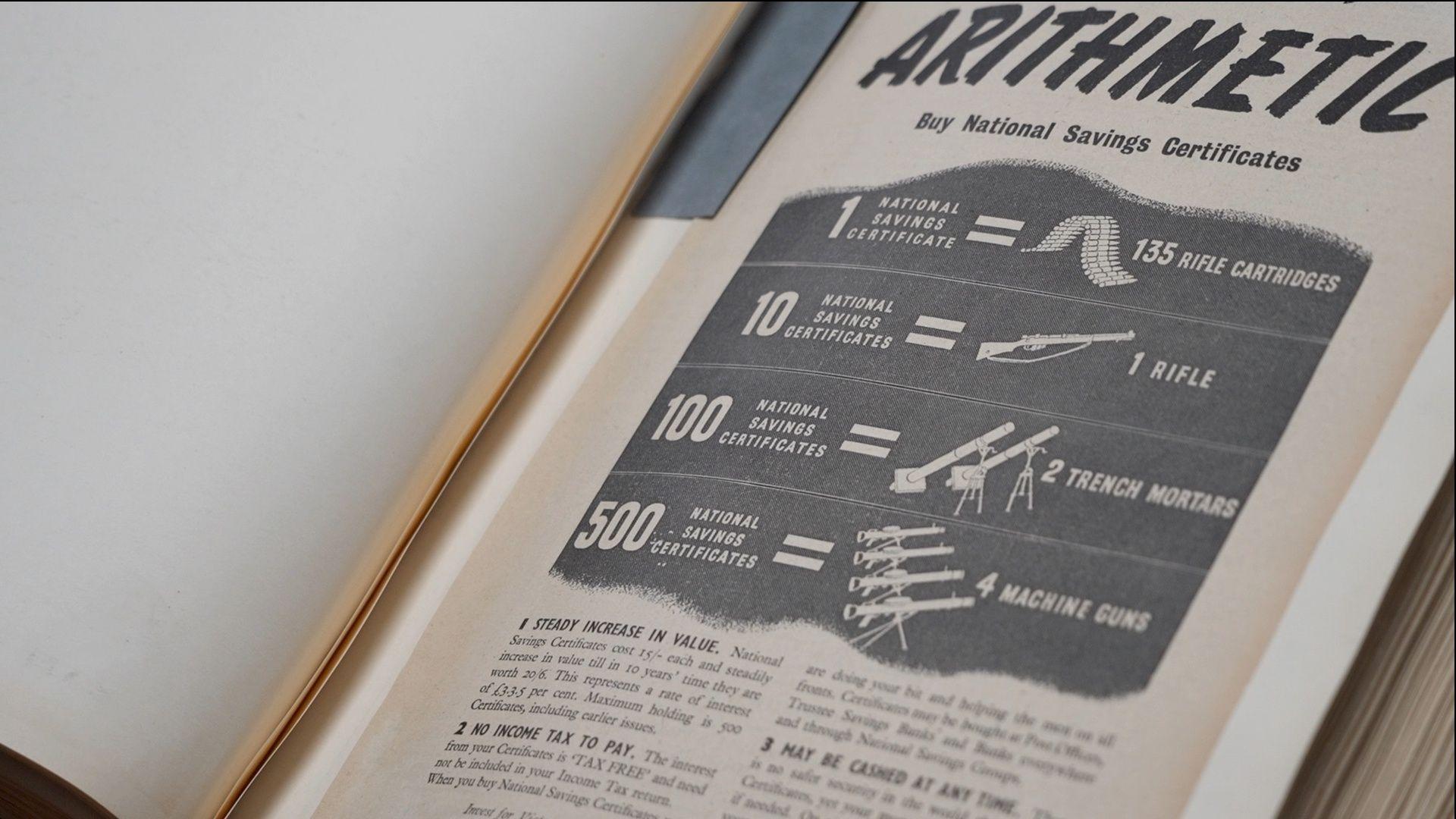
Wartime investors who bought National Savings Certificates were shown where their money might go in this ad
The government used the power of advertising during World War Two, when it commissioned agency Mather & Crowther - later part of Ogilvy & Mather - to promote the National Savings Movement.
Alistair Moir, the trust's deputy director, said one of these ads was called Victory Arithmetic and it explained to investors where money went.
"For example, here you can see one savings certificate equals 135 rifle cartridges, 10 savings certificates gets one rifle, 100 gets two trench mortars, and 500 national savings certificates will get four machine guns for the Army," he said.
It both showed how the wartime government tried to communicate with the public and revealed how the war was going, he added.
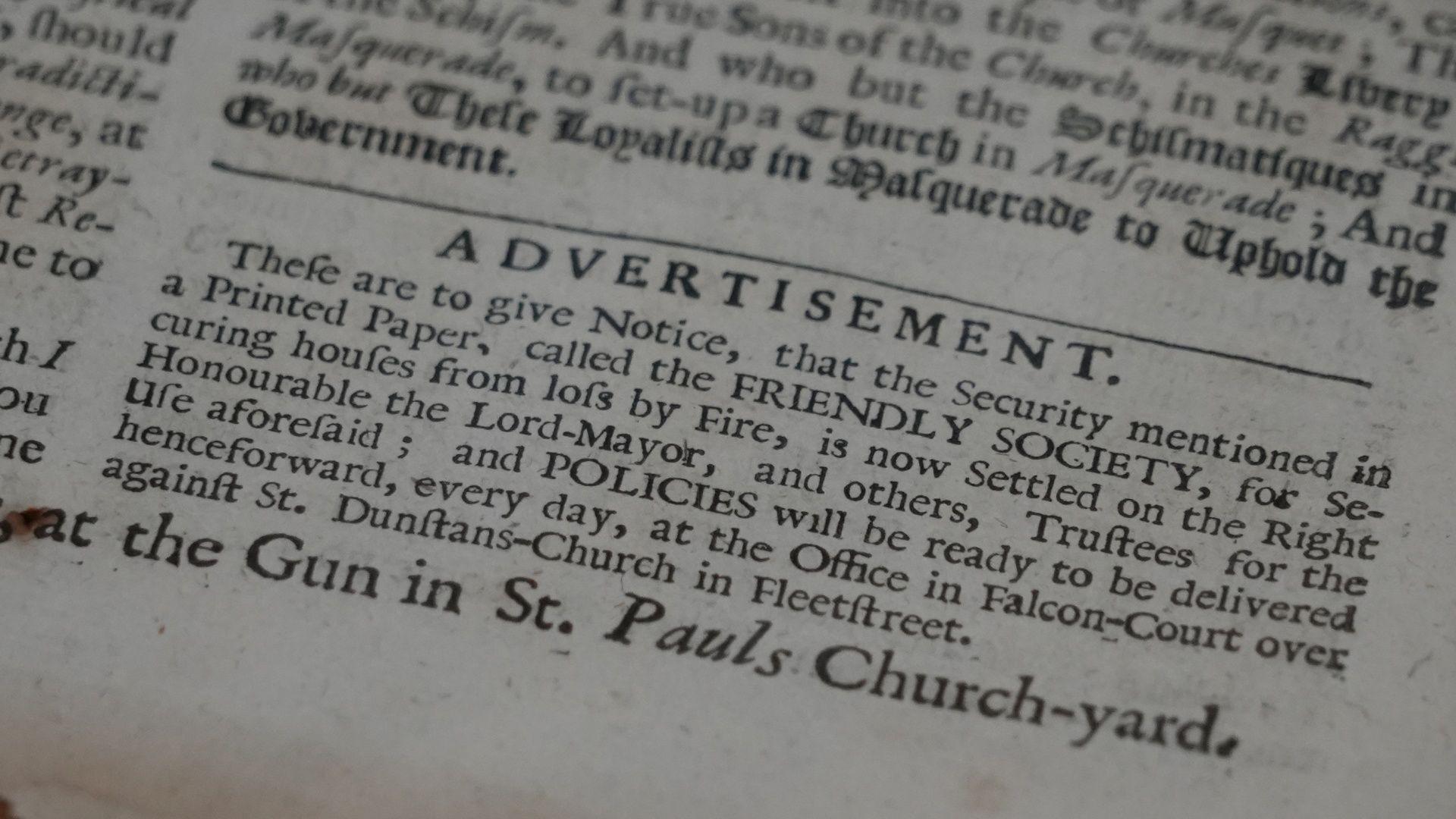
A friendly society hoped to drum up insurance business by advertising its services in a late 17th Century newspaper
The earliest examples of printed advertising in Britain come from the late medieval period, with the introduction of the printing press.
Then with the rise of newspapers in the 17th Century, merchants started to use them to promote their goods and services.
One of the earliest examples in the trust's archive is from a fire insurance company, which dates to the 1680s, while Lloyds Bank has used the black horse logo since 1884, although its origins date back still further.
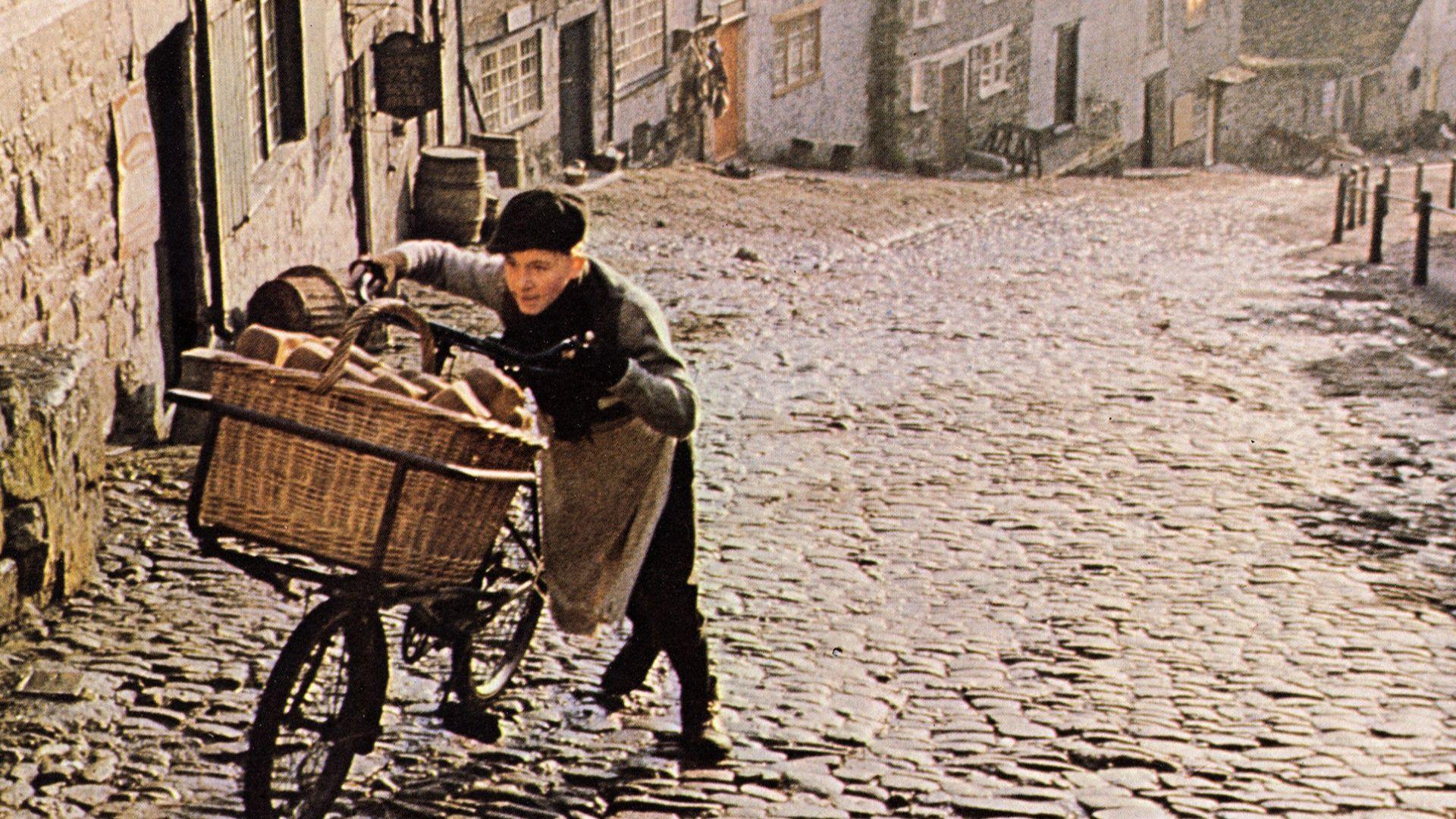
Ridley Scott famously creating a Hovis advert, shoton Gold Hill in Shaftesbury in Dorset
The archive includes reminders that many of the late-20th Century's great film directors got their first break directing TV commercials.
Gordon-Saker said: "We've got examples in the archive of Ridley Scott, Alan Parker and Hugh Hudson.
"You know that iconic Hovis ad, with the boy on the bike climbing up the hill? That was Ridley Scott."
He sees the "golden heyday" of British advertising as during the 1970s, 80s and mid-90s, thanks to the budgets and technology available.
Advertisement
"[This] meant most of it was shot on film, so the processing time and the size of the crew was driven by the technology," he said.
"The most expensive ad ever made was by Baz Luhrmann for Chanel with Nicole Kidman, which was $32m, a staggering amount of money.
"As you get to the end of the 90s and early noughties, where digital formats come in, clients - and broadcasters - realise that they don't need to spend a lot of money on crews of 10 or 20 people."
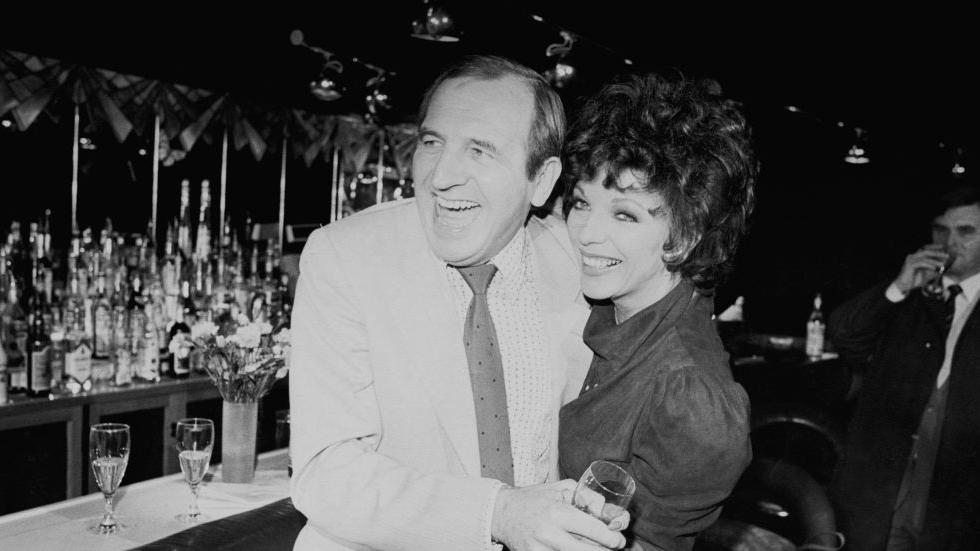
Leonard Rossiter and Joan Collins made a memorable comedy double act in adverts for an Italian vermouth
Gordon-Saker's own favourite ads deploy humour, which he thinks is "what British advertising is all about".
"It's the storytelling and understated humour - so I'm thinking of things like the Cinzano ads for Joan Collins and Leonard Rossiter, where she's the fall girl in everything that he does," he said.
These ran from the late 1970s to the early 1980s and each one culminated with Rossiter accidentally drenching Collins.
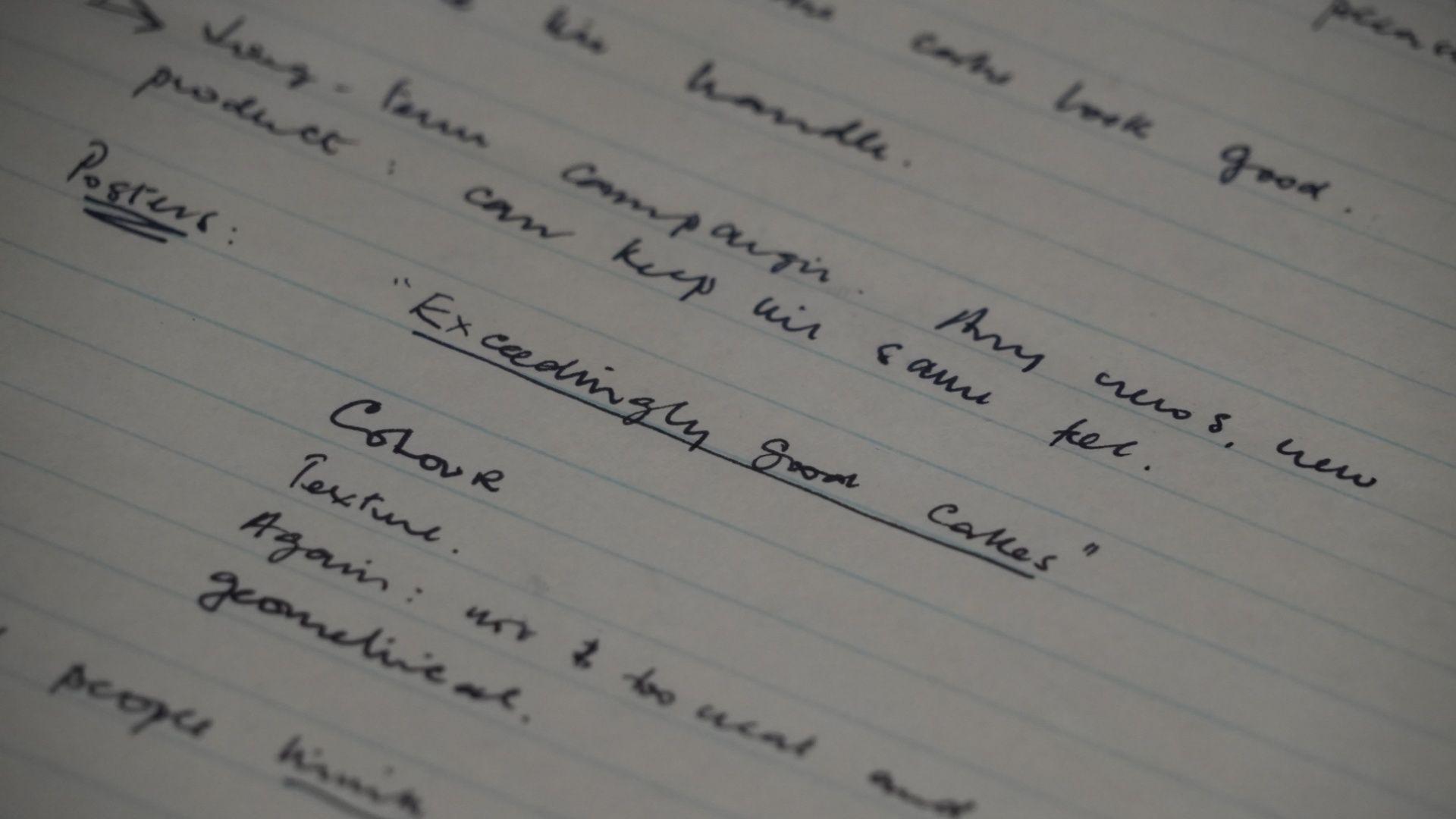
Notes reveal a reference to Mr Kipling's tagline "exceedingly good cakes", which the baked goods company first started using in the late 1960s
As more and more people watch TV on demand, there has been a move away from this sort of traditional storytelling, watched during breaks in programmes.
Gordon-Saker said: "There's the streaming companies, littered with ads, and influencers now play a big part in how adverts are created."
Bourn from the Advertising Association added there was a huge amount of work going on to make sure online influencers and content creators comply with industry standards.
He continued: "We have a very fast-growing channel [speaking in relation to advertising on social media] where tens of thousands, if not hundreds of thousands of influencers… around the world, are now also part of our advertising ecosystem."
He said the industry is working fast to make sure that "any time someone sees a commercial message, that they know they can trust it".
He explained the Advertising Standards Authority is using Artificial Intelligence to help with this, adding: "Last year, the ASA was tracking close to 50 million ads online and highlighting those that it thought might be areas for concern and bringing those to human attention."
Advertisers also use digital billboards in places such as bus shelters and shopping malls.
Gordon-Saker said: "They're all driven by screen time rather than story time and the quicker, the shorter, the pithier, the more attention-grabbing time is much more important than storytelling these days."
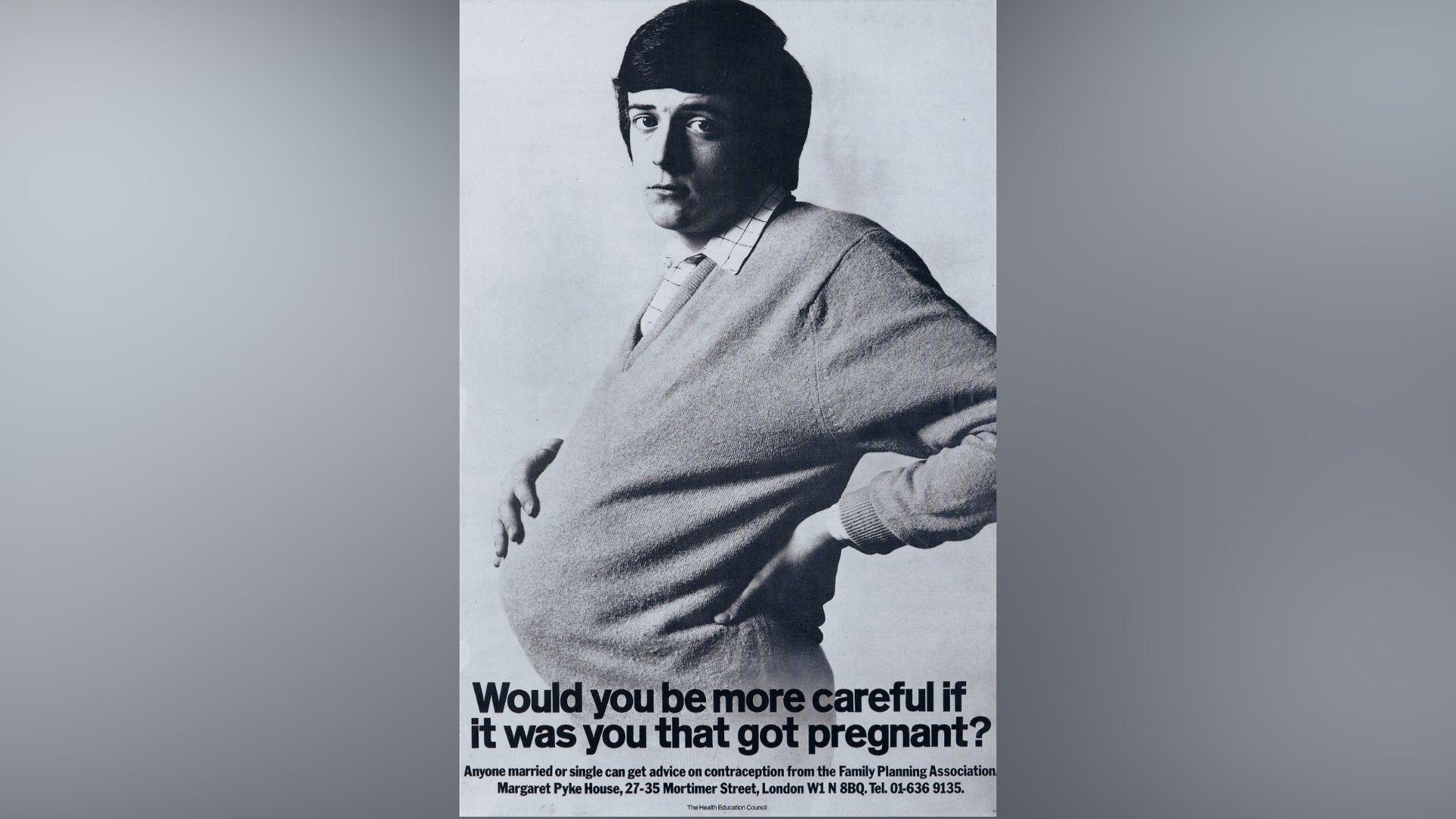
The trust is home to advertising company archives and documents, as well as films and posters
As the charity marks its 50th anniversary, it plans to hold an awards ceremony in London this autumn, with categories ranging from its most researched item to the most continuous advertiser.
Gordon-Saker said: "We should celebrate advertising because it's part of our cultural and social history - and if we can't celebrate our own history then what's the point?"
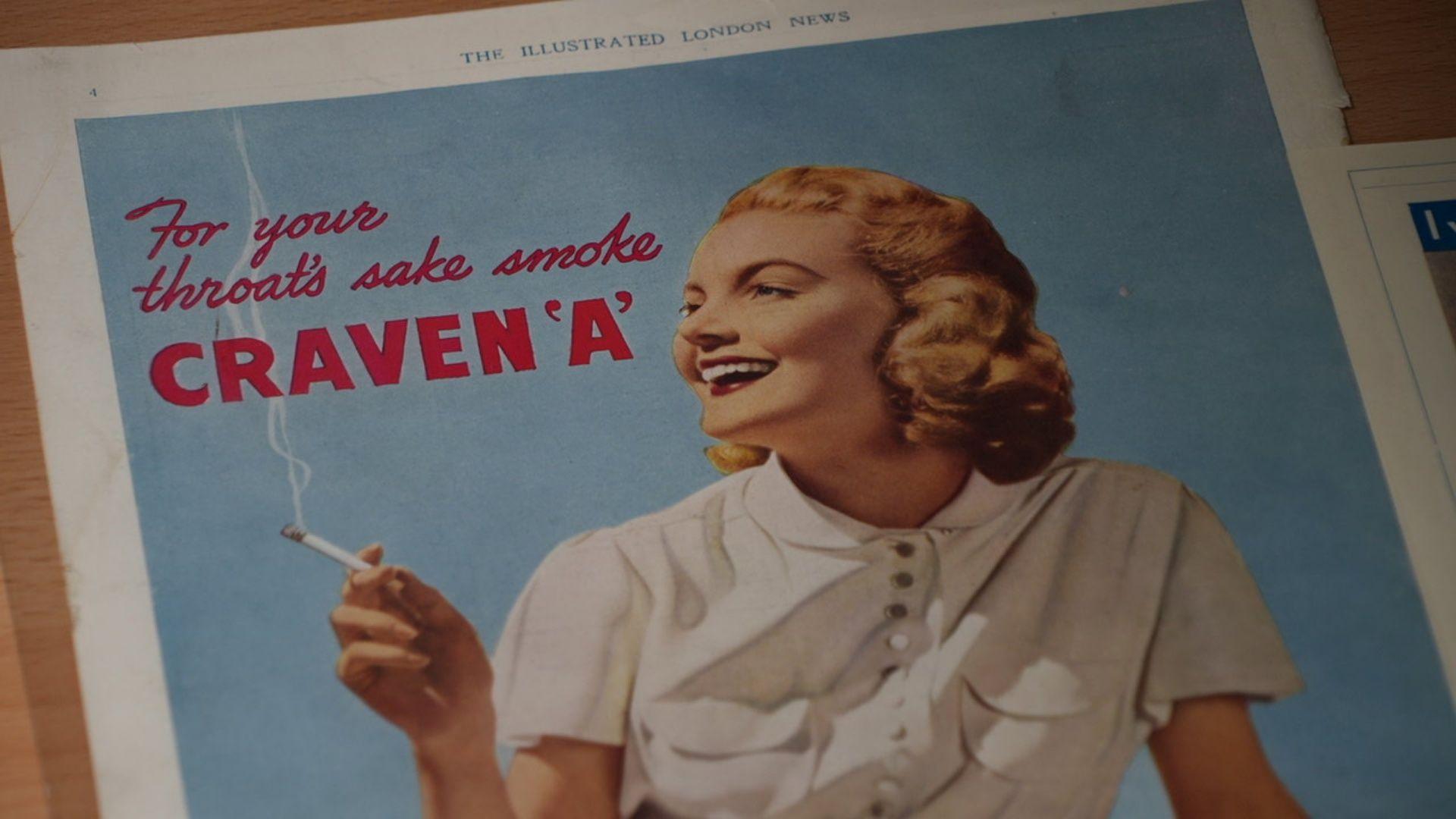
The advertisements reflect changing social attitudes, with advertising for cigarettes now an image of the past
Do you have a story suggestion for Norfolk? Contact us below.
Follow Norfolk news on BBC Sounds, Facebook, Instagram and X.
Source: “AOL Money”
