


Liechtenstein changes succession rules to allow women to take the crown
Liechtenstein changes succession rules to allow women to take the crown

Antonia LangfordSun, August 16, 2026 at 9:52 AM UTC
0
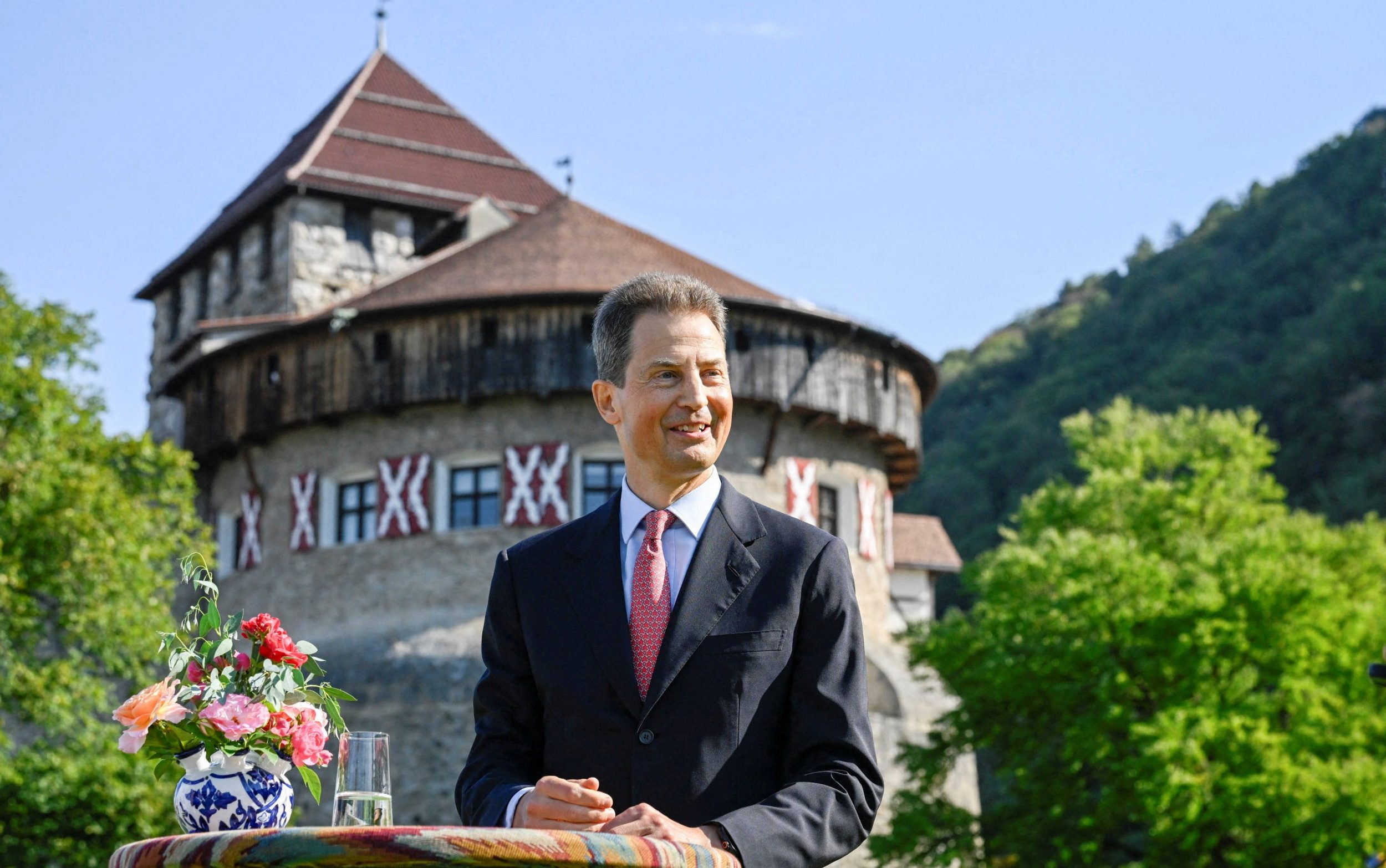
Hereditary Prince Alois has been delegated most of his father’s political duties and powers while still heir to the monarchy - Romina Amato/REUTERS
Liechtenstein has announced plans to amend its royal succession rules, allowing women to inherit the crown.
“The order of succession is being changed from male primogeniture to absolute primogeniture,” the House of Liechtenstein said in a statement on Saturday, the national day of the microstate.
“This means that in future the first-born child, regardless of sex, will become heir to the throne and later princess or prince of Liechtenstein.”
The decision was approved by the required two-thirds majority of eligible members of the royal family and will grant women equal rights in succession.

Hereditary Prince Alois’s family has governed the Liechtenstein for more than 300 years - REUTERS/Romina Amato
Liechtenstein is a constitutional monarchy, led jointly by the hereditary prince – who is the head of state – and a democratically-elected government.
It has a population of around 42,000 people and is high up in the Alps between Switzerland and Austria. It is one of only two double-landlocked countries in the world, meaning it is entirely surrounded by other landlocked countries. It is known for its spectacular mountain scenery, high GDP per capita, and lack of national debt.
The country has been ruled by Hans-Adam II, 81, since 1989. His family has governed the rich microstate for more than 300 years.
He is referred to as a prince rather than a king because of the country’s status as a principality, a title it was given in 1719 by the Holy Roman Emperor when he united the lordship of Schellenberg and the county of Vaduz.
Advertisement
The monarch delegated most of his political duties and powers in 2004 to his son Alois, Hereditary Prince of Liechtenstein, mirroring his own father’s decision to hand over executive authority in 1984, five years before his death.
In turn, 58-year-old Alois and his wife Sophie, Hereditary Princess, have four children, the eldest of which is 31-year-old Prince Joseph Wenzel.
This means that despite the change, the line of succession in the principality will be left unaltered for the immediate future.
“With this change in the law, we want to ensure that both the Principality of Liechtenstein and the Princely House are led by the person who has been best prepared for this responsibility,” the Hereditary Prince said in a statement.
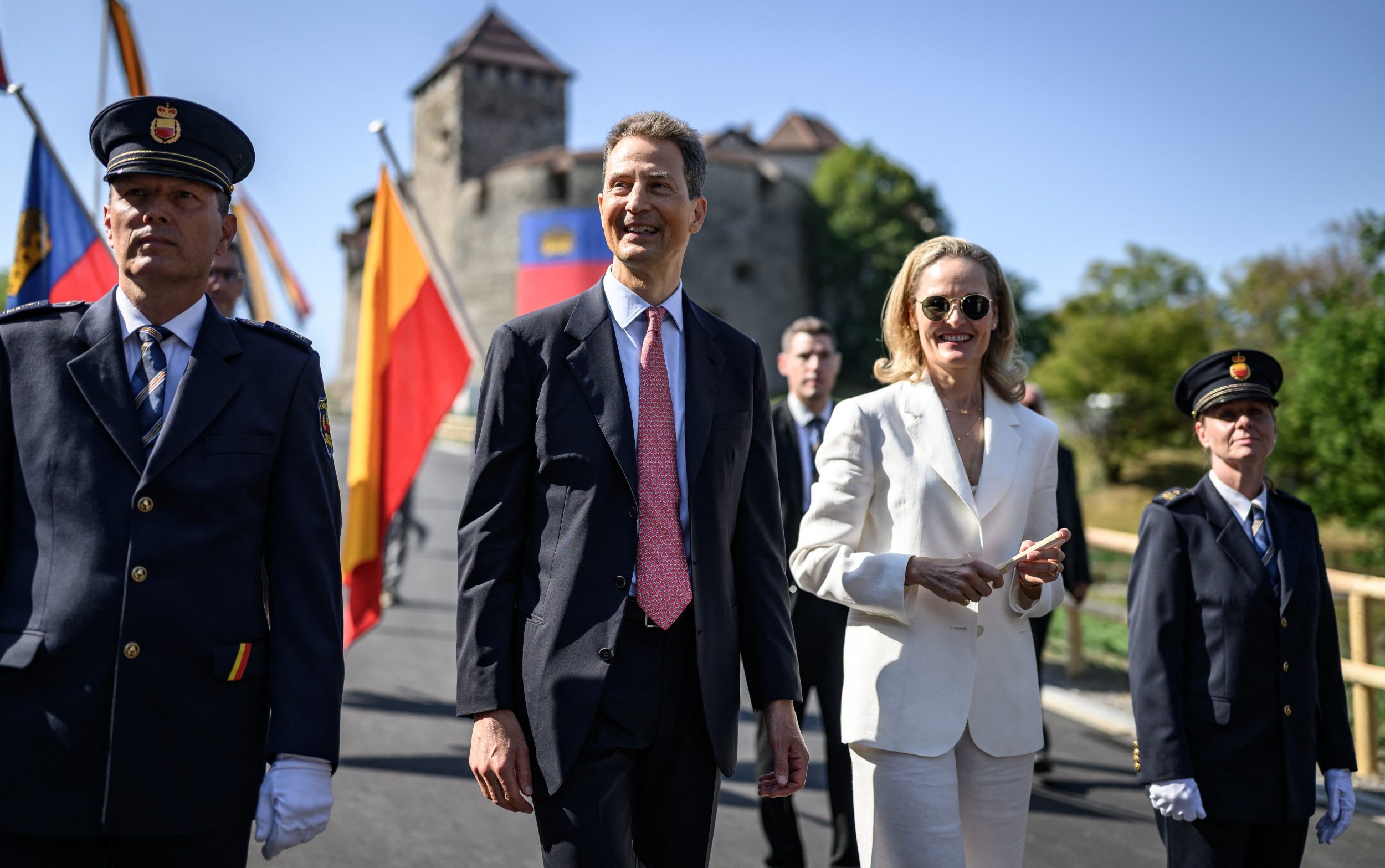
Hereditary Prince Alois and his wife, Hereditary Princess Sophie at Vaduz Castle on Saturday - Fabrice COFFRINI /AFP via Getty Images
Unlike most European monarchies, the country’s prince retains considerable political influence, holding powers to veto legislation and referendum results, dismiss the government, dissolve parliament and appoint judges.
In 2012, voters in the alpine kingdom overwhelmingly rejected proposals to curtail the royal family’s authority, with 76 per cent voting in favour of Alois retaining his power of veto in a nationwide referendum.
Liechtenstein’s decision to abolish male-preference succession comes 15 years after the UK did the same.
In 2011, Commonwealth leaders overhauled historic legislation to permit firstborn daughters of the monarch to take precedence over younger male siblings in the line of succession.
Source: “AOL Entertainment”
