


Where Are Gold Prices Headed in the Second Half of the Year?
Where Are Gold Prices Headed in the Second Half of the Year?

Crystal KimSun, June 28, 2026 at 10:50 AM UTC
0
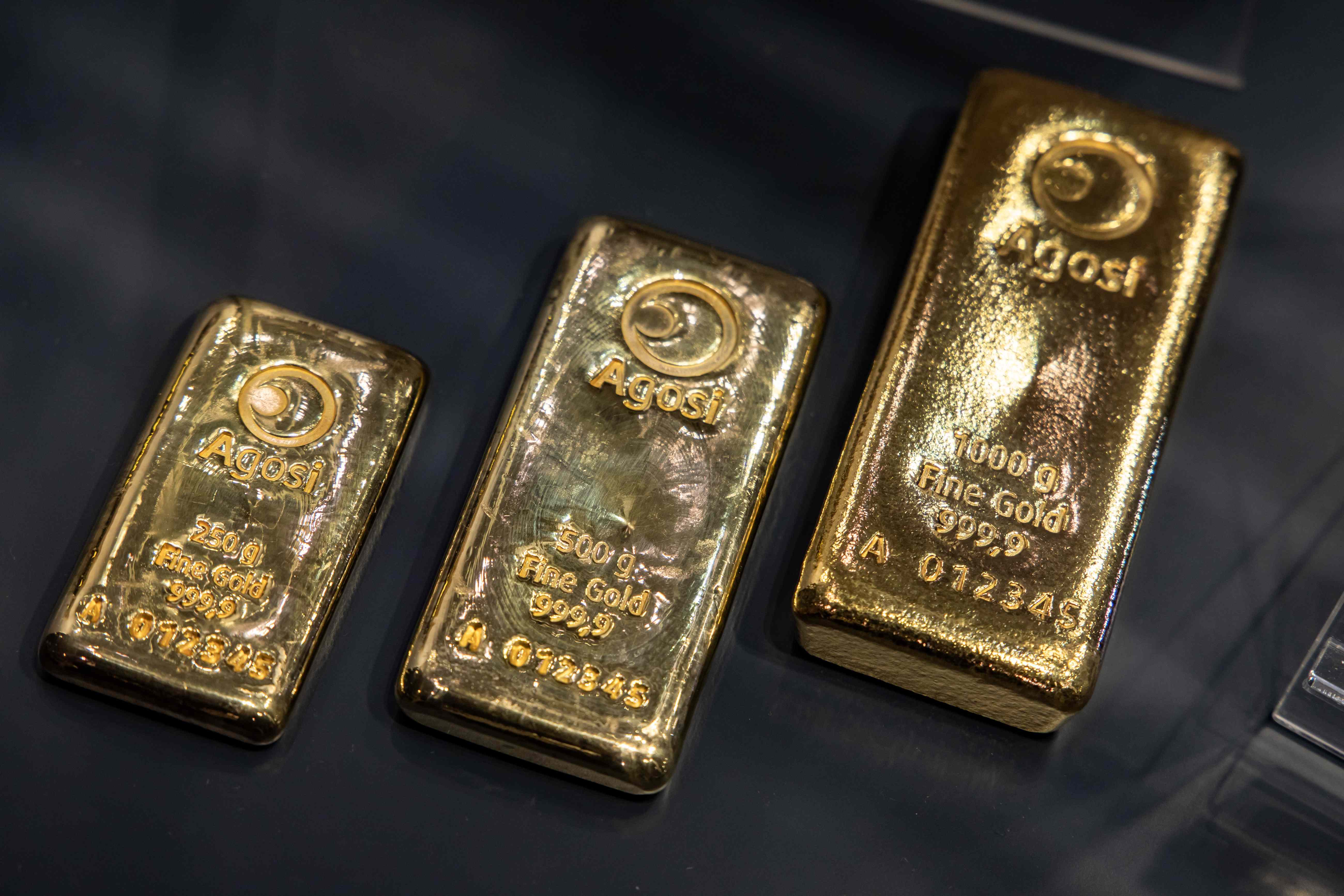
Gold has lost more than a quarter of its value since prices surged to a record high in late January.Credit: Photo by Emmanuele Contini / NurPhoto via Getty ImagesKey Takeaways -
Gold prices have fallen significantly this year, with spot gold down 5% year-to-date and 27% from its January high.
Central banks are expected to increase gold reserves, potentially supporting prices in the second half of the year.
Analysts have lowered gold price forecasts due to hawkish statements from the Federal Reserve, but some still see potential for upside.
Where has the bullion bull gone, and will it return? Investors are likely wondering.
Gold was already limping along when the Federal Reserve's new chair, Kevin Warsh, handed the market a hawkish message earlier this month, driving Wall Street to pencil in the possibility of higher interest rates and sending precious metals to fresh lows. The Fed's redoubled commitment to taming inflation took some shine off gold because yield-bearing assets such as Treasury notes tend to be relatively more attractive in high interest-rate environments.
Spot gold prices, recently at around $4,100 per troy ounce, have fallen about 5% since the beginning of the year and are down 27% from their January record high of $5,600. Silver, whose rally was even more powerful than gold's last year, is down roughly 50% from its all-time high of around $122, and off 17% year-to-date. Those losses are a stark contrast to the performance of the precious metals last year, when gold and silver gained about 65% and 150%, respectively, and were among the top performing financial assets.
Lately, commodities analysts and portfolio strategists have turned more negative on gold's near-term prospects, citing changing expectations around monetary policy, but they also seem to be holding on to some optimism that precious metals could stage a comeback in the second half given how far they've fallen.
What's the bottom line for investors?
While Wall Street firms have turned more negative on gold's prospects, their base case outlooks for the next six months still imply upside of 20% of more, rivaling U.S. stocks' gains last year.
The main argument for upside in gold prices, which underlies many Wall Street firms' outlook for the metal, is that central bank reserves are increasingly tilting toward gold, and away from the U.S. Dollar and Treasurys. Investors have bought under the same premise—a strategy that shifts capital away from currencies and into hard assets, called the debasement trade.
State Street Investment Management's gold strategists led by Aakash Doshi said that trends driving the "bullion bull cycle", including demand for hedging currency debasement, should remain intact in the second half.
Advertisement
Gold prices have been challenged lately but could hold at $4,000 because "investors will buy gold price dips," they said in a June report. The firm's base case puts gold somewhere between $4,750 and $5,500, and its bull case, around $6,000, would be a new record.
Both central banks and investors slowed their purchases as the Iran war delivered a historic energy shock and drove oil prices sky high, creating a liquidity issue for some countries and driving inflation concerns in others, but the recent truce between the U.S. and Iran could revive buying activity. It bodes well for gold that a recent World Gold Council survey showed that 45% of 76 central bank respondents said they expect to increase their gold reserves over the next year.
However, gold is "on the back burner for most investors," according to Greg Shearer, JPMorgan's head of base and precious metals. But there are other sources of demand that would at least set a price floor, and maybe a higher ceiling, he said. For example, China has been building up its gold reserves "to establish the renminbi as a credible reserve currency alternative" to the greenback, he added.
JPMorgan recently cut its gold price forecasts by $600 to $5,300 for the third quarter and by $300 to $6,000 for the fourth. The year-end target still implies upside of about 45% from current levels.
Goldman also turned "tactically cautious" on gold's near-term prospects, citing "no Fed cuts" this year in a report published in mid-June. Between that and the "surprisingly hawkish" tone of the first Federal Reserve meeting under Trump-appointed Warsh, the bank now expects gold to reach $4,900 by the end of the year—$500 lighter than their previous forecast. At recent levels that would imply upside of 20%.
Goldman's bull case—a rebound in gold demand as a macro policy hedge—would push gold prices to over $6,000, and its bear case—the Fed hikes rates this year—would imply gold to end the year around $4,400.Either way, gold moves higher from here.
on Investopedia
Source: “AOL Money”
